
A Visual and Cultural History of the Game

Introduction
Football is more than a sport.
It is a visual language, a cultural memory and a shared emotional experience that has evolved across decades.
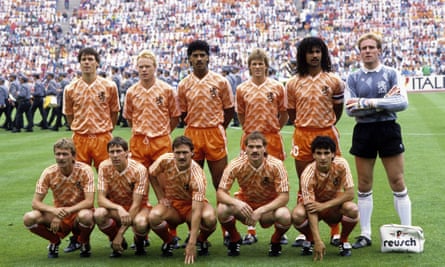
The Football Culture section is a curated collection of in-depth pages dedicated to the aesthetics, imagery and cultural impact of football during its most influential era: the 1980s and 1990s.
This section explores how football was seen, played and remembered — from stadium terraces to television screens, from home consoles to arcade game rooms.
What This Section Is About
The pages collected here are not news articles or trend pieces.
They are evergreen cultural references designed to preserve and explain the visual and emotional identity of classic football.
You will find:
- historical context
- visual analysis
- cultural interpretation
- connections between football, design and memory
All content is written to explain why football from this era still resonates today.
Explore the Football Culture Pages
1. Vintage Football Culture
A definition of football as cultural memory
An introduction to what vintage football culture means, why the 1980s and 1990s are considered football’s most authentic decades, and how identity, atmosphere and memory shaped the game.
👉 Start here to understand the foundation of football culture.
2. 1980s Football Aesthetics
The birth of football’s visual language
A deep exploration of 1980s football aesthetics: kits, colors, typography, stadium environments and television graphics.
A decade defined by clarity, function and strong identity.
3. 1990s Football Aesthetics
Expression, experimentation and emotion
An analysis of how football aesthetics evolved in the 1990s, introducing bold design choices while preserving recognizability and cultural meaning.
4. Football Video Games in the 80s and 90s
How digital football shaped understanding of the game
A cultural history of football video games played at home, from early abstraction to the golden age of tactical and pixel-based design.
5. Arcade Football Games (Coin-Op Era)
When football lived in the game room
An in-depth look at arcade football games of the 1980s and 1990s, focusing on immediacy, spectacle and shared public competition.
6. Pixel Art in Football Video Games
When limitation became visual identity
An exploration of pixel art as a visual language in football video games, and why it remains one of the most powerful ways to represent the game.
Why Football Culture Still Matters
Football culture from the 1980s and 1990s continues to influence modern design, fashion and visual storytelling because it was built on:
- identity rather than branding
- memory rather than spectacle
- emotion rather than excess
Understanding this culture means understanding football not just as a sport, but as a shared visual and emotional heritage.
Football Culture and Design
This section also explains why football culture continues to inspire modern creative projects.
The visual language of classic football — from kits and formations to pixel art and broadcast graphics — remains a reference point for designers, illustrators and independent brands worldwide.
Explore the Collection
The Football Culture section exists to document, explain and preserve the visual and cultural identity of classic football.
Whether you lived through the 1980s and 1990s or discovered them later, these pages offer a deeper understanding of how football became what it is today.